
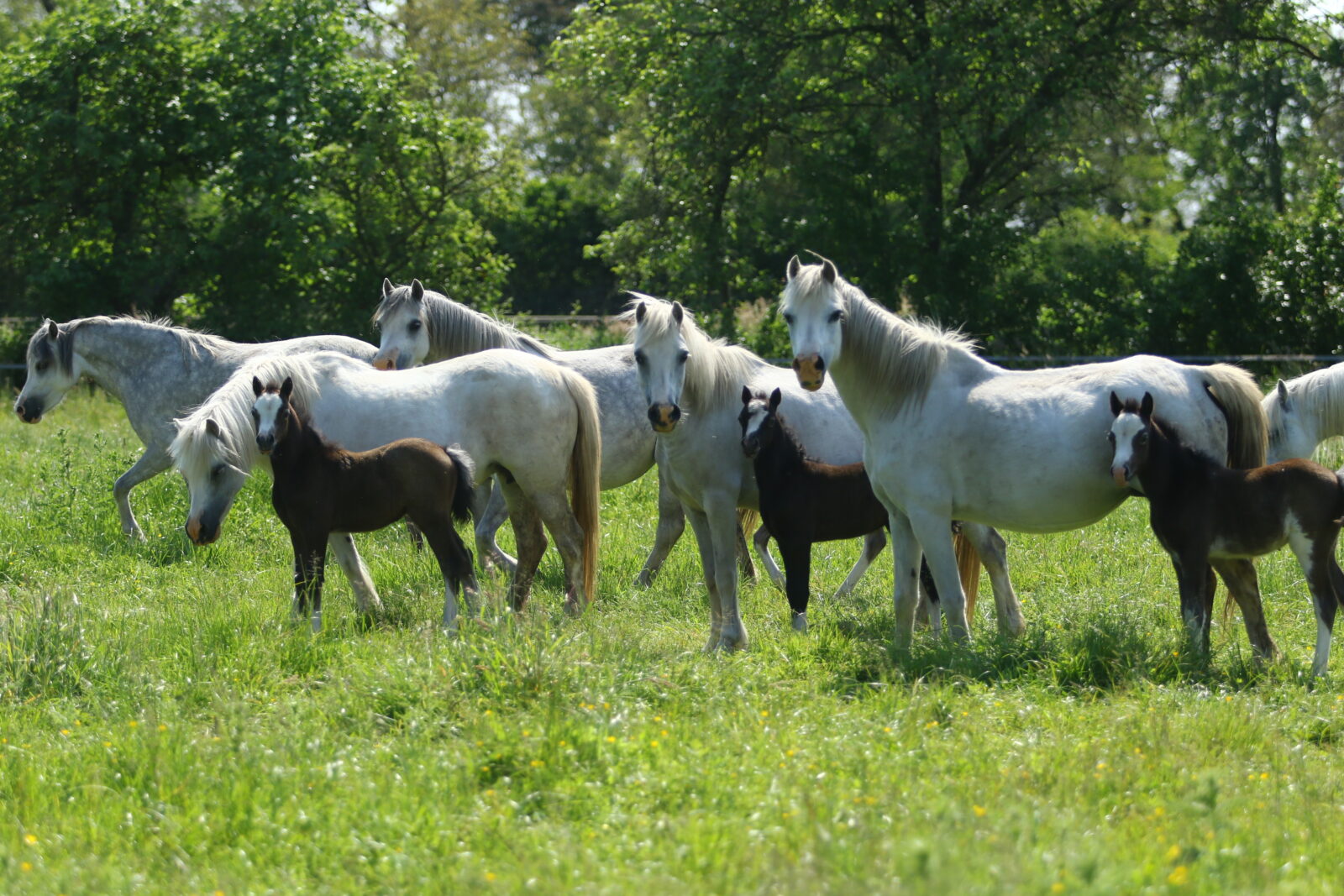

Imperial Stud. © Ingrid Delaitre
The 20th International Welsh Show in Australia was held in Sydney on November 23 and 24. NWPCS judge Ad Beekman of the Lintelo Stud was asked to come and judge. So at the end of November 2019, he traveled to Down Under, together with Gerrit van Beek of the Singels Welsh A breeding farm. After the show, the two Welsh enthusiasts rented a car to tour the area, visit several Welsh stud farms and taste wine. They took a look at the Victorian All Welsh Show and traveled on to New Zealand to judge and visit stud farms at the Great Lakes All Welsh Club show. This week part 2 (of 3 parts) of the travelogue.
Part 2: ‘You look as a Welsh lover your eyes out in Australia’
Days after the International Welsh Show in Australia last November, Ad Beekman and Gerrit van Beek toured New South Wales to visit Welsh stud farms, among other places. “But we also went to visit a friend of mine who produces kangaroo leather and we took a look at the Victorian All Welsh Show. Also a very nice judging with many participants,” Beekman said.
“We have seen really beautiful Welsh ponies at the stud farms and shows in Australia,” says Ad Beekman. “So they have imported the best of the best there. To get a pony from Europe to Australia already costs about 30,000 Australian dollars (1 dollar = 0.62 euros, red). That's already a lot of money and that's why Australian Welshmen really buy the crème de la crème.”
‘Welsh ponies are worth a lot here’
That importing costs a lot of money therefore results in high stud fees and ponies worth a lot. “To have a mare covered, it costs an Australian Welsh breeder between $1,000 and $1,800, which translates to over 600 to 1,100 euros. For a three-year-old Welsh section A or B trained as a working pony, you will pay between three and six thousand euros.”
Pioneers
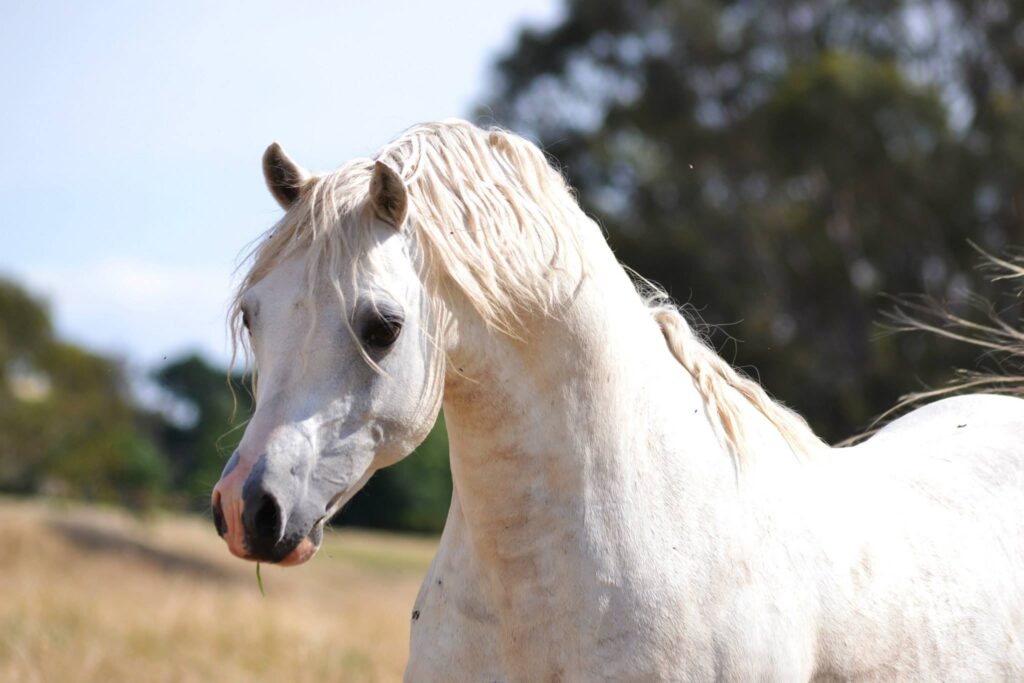
Pioneers in this field include Mark Bullen of Imperial Stud and Richard and Janet Evans of Weston Park Stud. “To them Australian Welsh enthusiasts owe a lot. We were first on the Weston Park Stud, sort of a branch of the British Weston Stud. The first import B stallion at the Australian stud was Eyarth Sama, a son Carwed Charmer and grandson of Weston Twiggy. A stallion who has been active there for several years now is the Steehorst Kyro bred by the late Piet Steeghs. We have seen him And also many beautiful mares,” Beekman said.
Next, Beekman and Van Beek went to Imperial Stud, whose Imperial Lady Athena had been junior champion at the international show a few days before and her sire Imperial Pavarotti section B champion and reserve overall supreme. “Imperial Stud was really amazingly close to Weston Park Stud,” says Beekman. Here we saw some really nice ponies. I took another picture where you can clearly see how uniform these ponies are in type. They are young section B mares.”
‘Characteristic Coed Coch ponies’
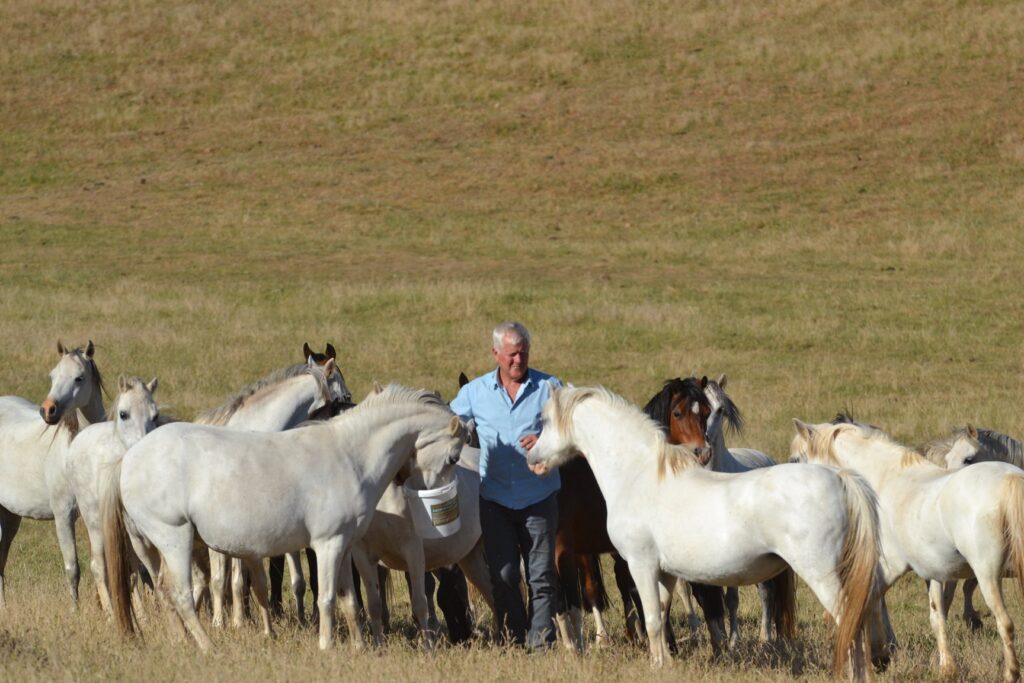
And for Section A, Lady Creswick of the Nattai Stud is an Australian breeder from the very beginning. She brought Coed Coch Prophet to Australia back in 1961, where he has made his mark handsomely. In ’78 she bought at the dispersal sale of the Coed Coch Stud also Coed Coch Bari for a record 21,000 English pounds.”
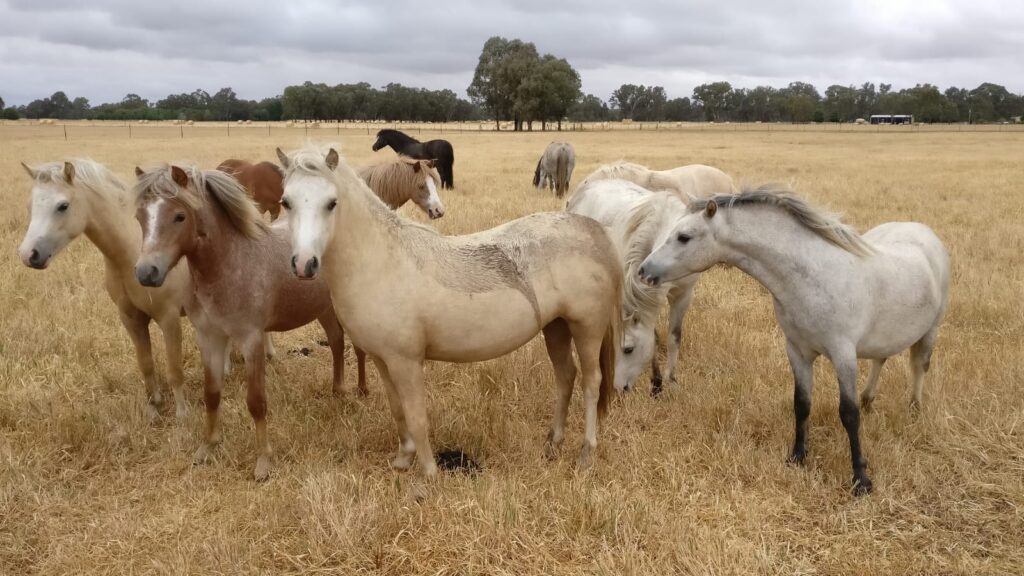
Lady Creswick daughters also each have Welsh stud farms; Nattai River Stud and Nilton Stud. “We've been to the Nattai River Stud. You really feast your eyes ... what runs there ... Characterful Coed Coch ponies, really like old times.”
Near Nattai River Stud was Nawarrah Park Stud with mainly Welsh Cobs with a lot of Llanarth blood. “We were nearby, so then of course you go there. There are forty or fifty Cobs running just like that. A lot of browns with a col. I could have easily picked out a four-horse pack including reserves.”
Mass and bone
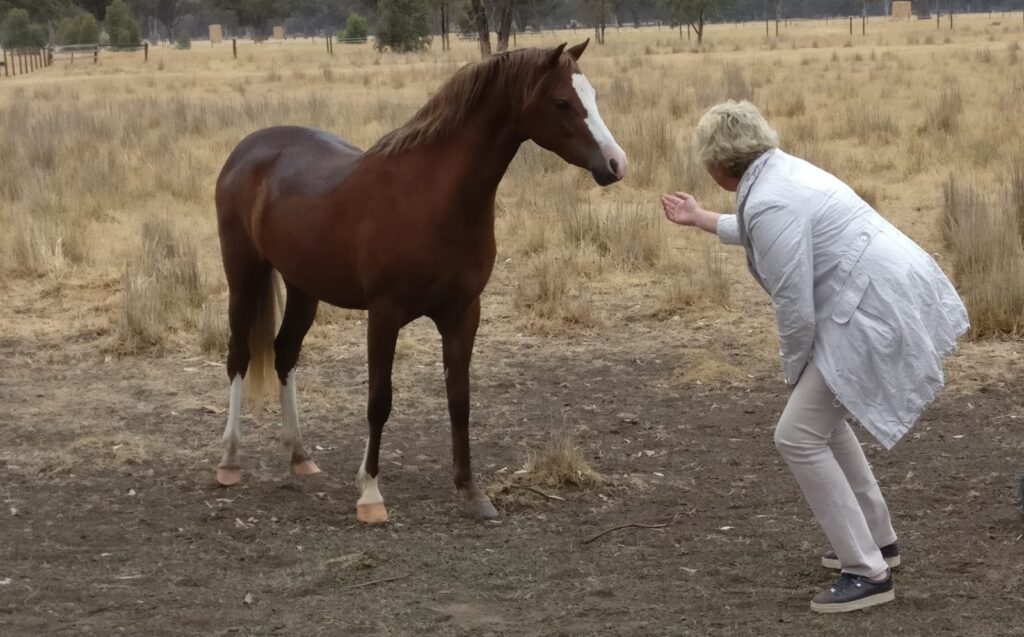
At the Keyi stud, Beekman and Van Beek saw the section B junior champion - Keyi Condoleezza - from the International Show a few days before. Also running there was Waxwing Peru, the sire of this young mare. “I was very surprised because of his type. It was like a big A; heavy and a lot of bone. A lot of Australians like this heavier type. They find that in section B there is a tendency for mass and bone to be lost. Hence they use Peru. By the way, he is heavier in type than his full brother Waxwing Perrin.”
The Dutch still ended up at the open day of Michele Baker, the chairman of the Welsh Pony & Cob Society Australia. “Nice ponies, too,” Beekman said.
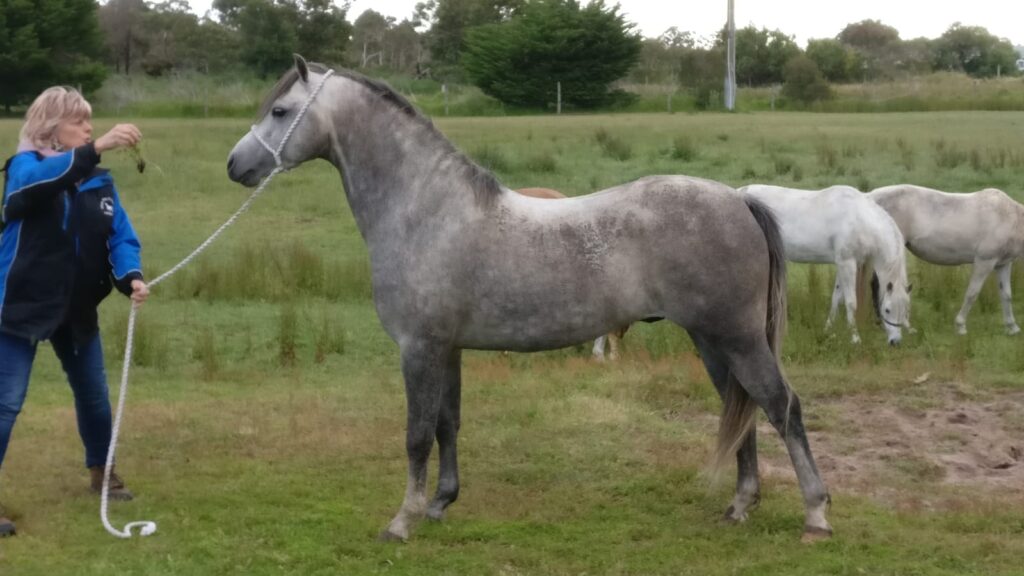
Beautiful ponies were seen by both gentlemen at Wendy Trimble's Tooravale Stud. “She has bred through AI with the stallion Adagio de L'Aurore from the French Ingrid Delaitre. A very interesting stallion,” said Beekman.
Kangaroo
Ad Beekman makes his whips, which he uses as whipper-in at the Soestdijk Hunting Association's slip hunts, himself. “With round braided kangaroo leather. The acquaintance I get that leather from is in Australia and of course we paid him a visit as well. It was an interesting visit, where we not only saw and felt kangaroo leather, but also ate kangaroo meat.”
NOTE: Unfortunately, in recent days some of the above Australian Welsh breeders have had to evacuate because of the forest fires. It seems that the danger to them has now passed. Several actions have been started on Facebook to assist the Australians. For example, the action We Support Australia charity auction, which includes stallion coverings being auctioned for charity.
Also read:
Part 1: Judging at the 20th International Welsh Show Australia
Part 3: New Zealand - Stud visits and Great Lakes All Welsh Club (follows)
About Ad Beekman
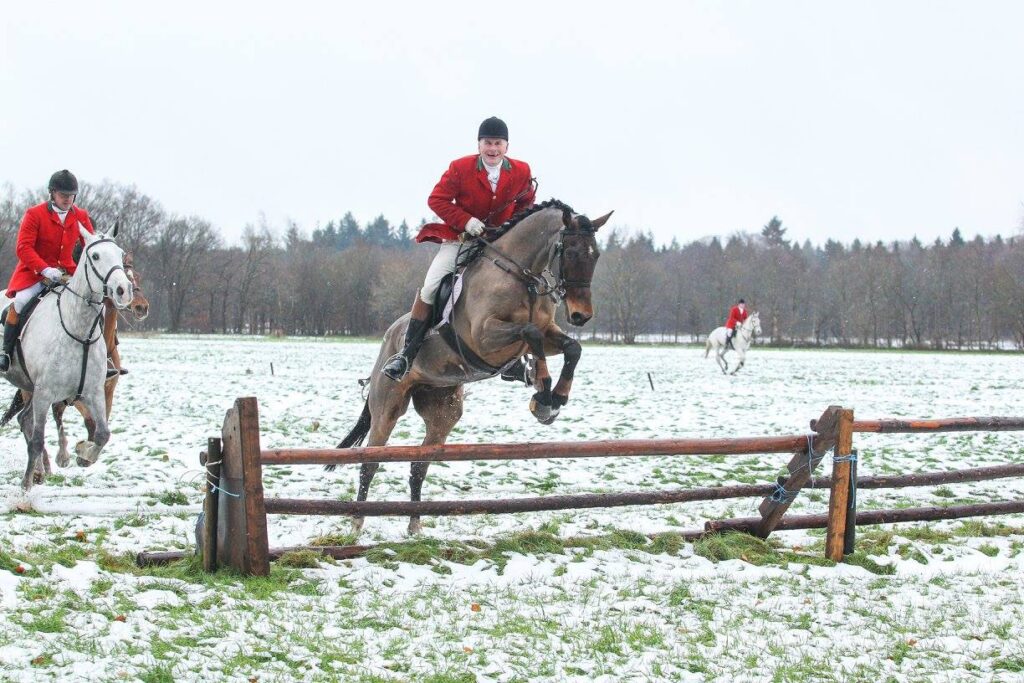
Ad Beekman was born November 25, 1950, so he celebrated his 69th birthday in Australia. Welsh ponies came into his life when he started driving a Welsh A-four pack.
“So I started because I like driving so much. The motto of my then wife Yvonne is that the ponies do have to do well at the inspection, so be a good breed representative. So we started breeding section A's at the Lintelo stud farm. However, at some point they had a hard time making it to the step stage, so we switched to B's.”
‘Soon to ride my four hundredth slip hunt’
I rode four-horse races for ten years and then judged for the studbook for ten years. Then I started riding slip hunts. I thought I would do that for ten years too, but now I have been doing it for eighteen years and soon I will ride my four hundredth slip hunt. Last year I also started again as a judge at the NWPCS. Breeding has been on the back burner for various reasons over the last fifteen years. But I kept the stallion Lintelo Gawain and now I am breeding again.
One rule of thumb of mine in breeding is that a pony must be usable. So my tip is: test a pony for usability. That should be the starting point. So don't think ‘I'm just going to breed with that’ if a pony turns out not to be usable.”
Exclusive to NWPCS.com
 Nederlands
 English
 Español
 Deutsch
 Français