
Ad Beekman
The 20th International Welsh Show in Australia was held on November 23 and 24 in Sydney. NWPCS judge Ad Beekman of the Lintelo Stud Farm was invited to serve as a judge. So, at the end of November 2019, he traveled Down Under together with Gerrit van Beek of the Singels Welsh A Stud. After the show, the two Welsh enthusiasts rented a car to tour the area, visit various Welsh stud farms, and taste wine. They stopped by the Victorian All Welsh Show and then traveled on to New Zealand to judge at the Great Lakes All Welsh Club show and visit stud farms. This week: Part 1 (of 3 parts) of the travelogue.
Part 1: Judging at the 20th International Welsh Show Australia
Not long before Ad Beekman left for Australia to serve as a judge at the International Welsh Show, he was sitting at the kitchen table with Gerrit and Leny van Beek, telling them about it. ‘Gerrit would love that too,’ said Leny, whereupon Beekman gave them his flight details. That same evening, Van Beek booked a seat on the same flight, and so it came to pass that late on Thursday evening, November 21, they landed together in Sydney.
‘A fantastic atmosphere, major events, and high-quality ponies from start to finish’
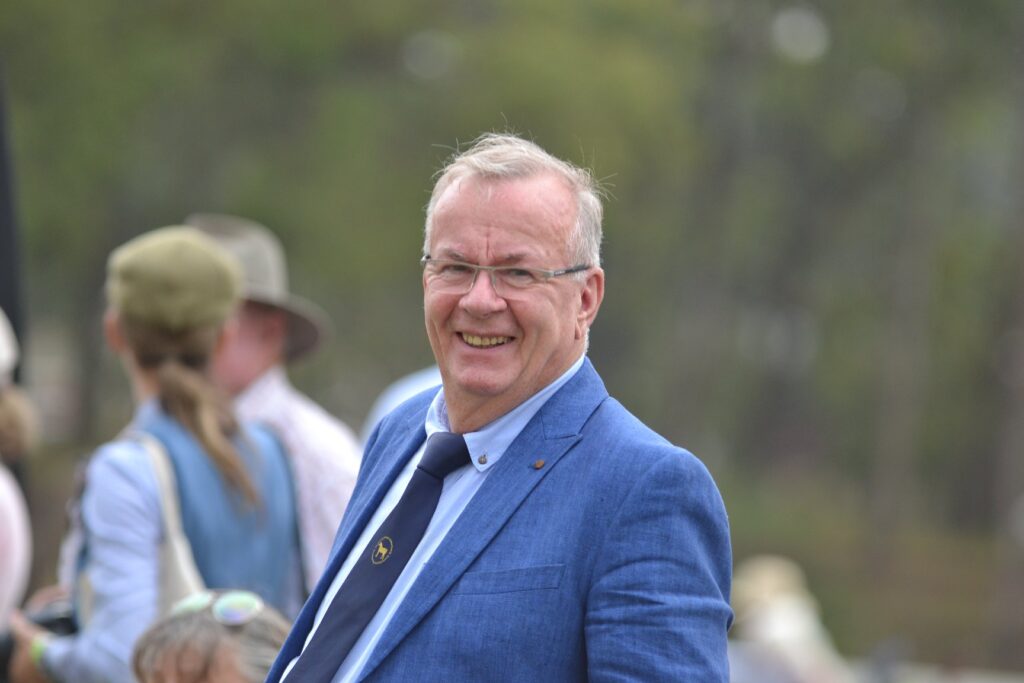
“Later on in our trip, there was a nice little twist to the story—Gerrit had come along with me,” says Ad Beekman, “but I’ll tell you about that in part three of the report. On Friday, we spent the day exploring Sydney, and on Saturday, I was already in the arena at 8 a.m. to judge the ponies.”
A Brit and a ‘foreigner’
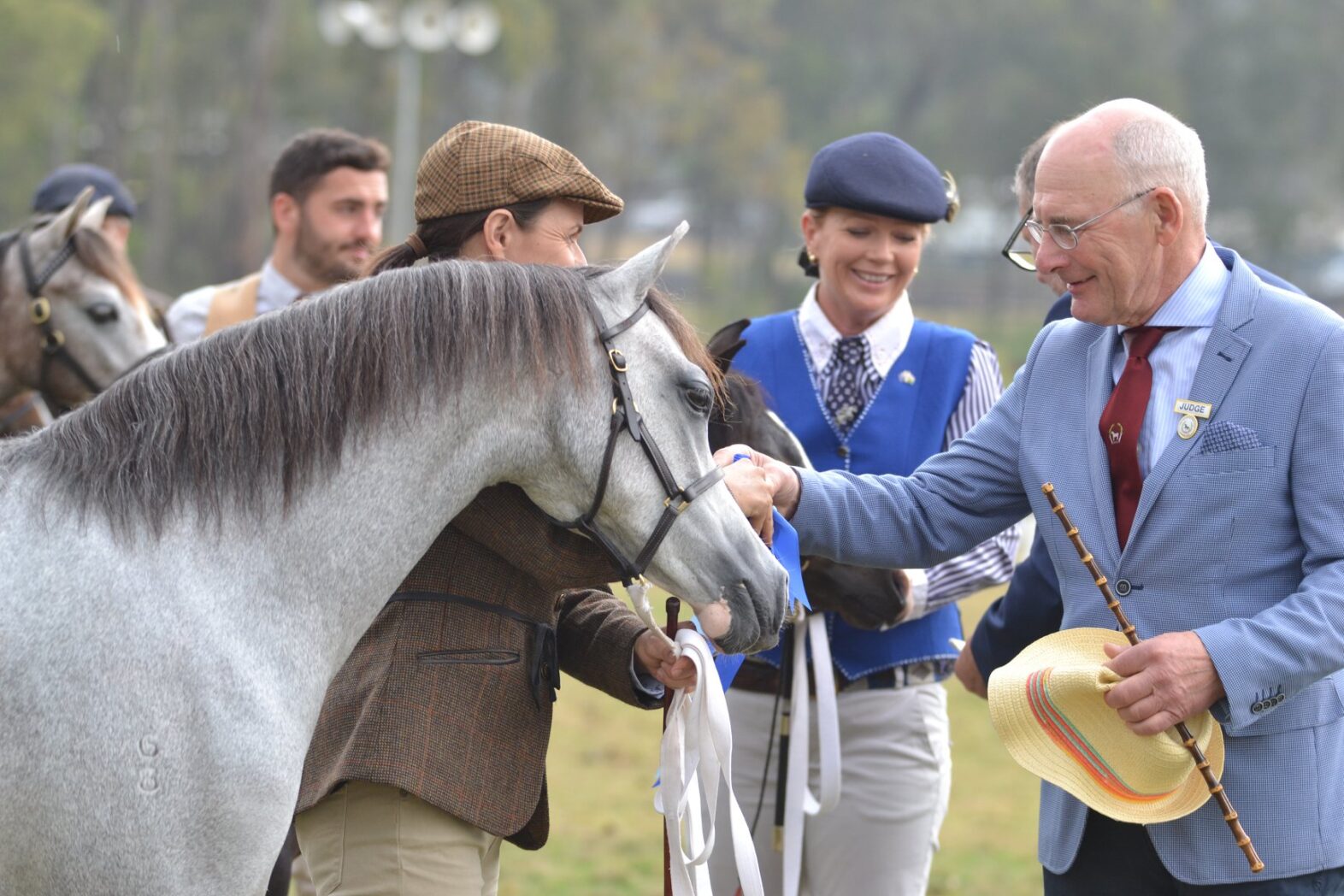
The Welsh Pony & Cob Society of Australia is celebrating its golden jubilee this year and organized the 20th edition of the International Welsh Show. Ad Beekman judged the B classes and the Partbreds alongside Kevin Walker from the UK. Walker then judged the riding classes, and Beekman judged the harness classes.
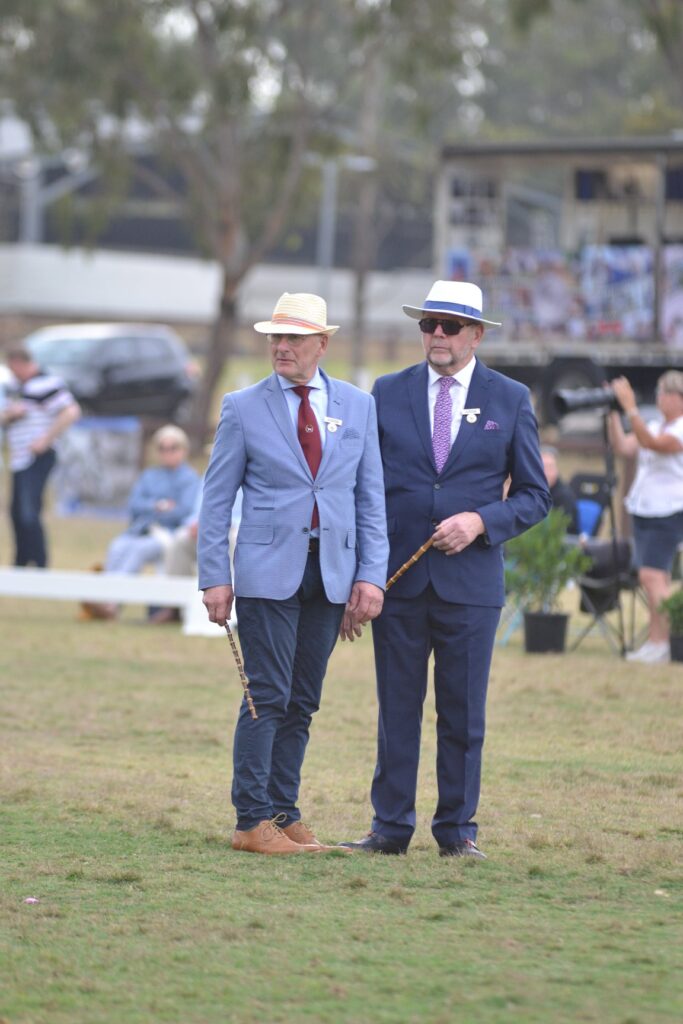
Colin Tibbey was brought in by the organization to judge the A’s alongside Anna Jutestrand Tollbom from Sweden. “For each class, the organization had recruited a British panel member to judge alongside a judge from another foreign studbook,” says Ad Beekman.
“Kevin and I had pretty much the same taste. Sometimes he wanted to move a pony up a spot, and on a few other occasions I wanted to place a pony in a slightly different spot, but we didn’t have any disagreements. Our B-champion was Imperial Pavarotti, from the well-known Australian breeder Mark Bullen, whose stud farm we visited later during our trip.”
Eyarth Tigra
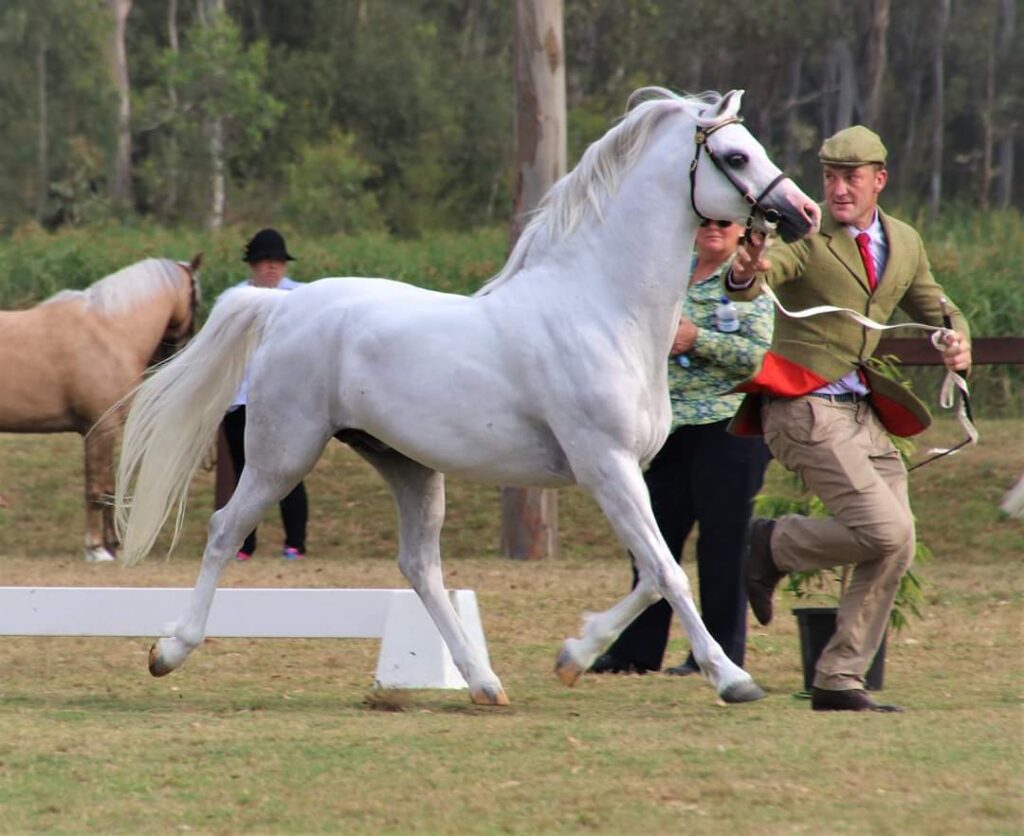
About the champion, he says: “A very handsome stallion with tremendous presence. We judged without a catalog, and I had absolutely no idea which presenters belonged to which breeders. That’s what makes judging fun. Afterward, I found out he was an Imperial-bred son of Eyarth Tigra. And it also turned out that the pony we’d named reserve youngstock champion is a daughter of Eyarth Tigra—namely, Imperial Lady Athena.”
Peruvian Waxwing
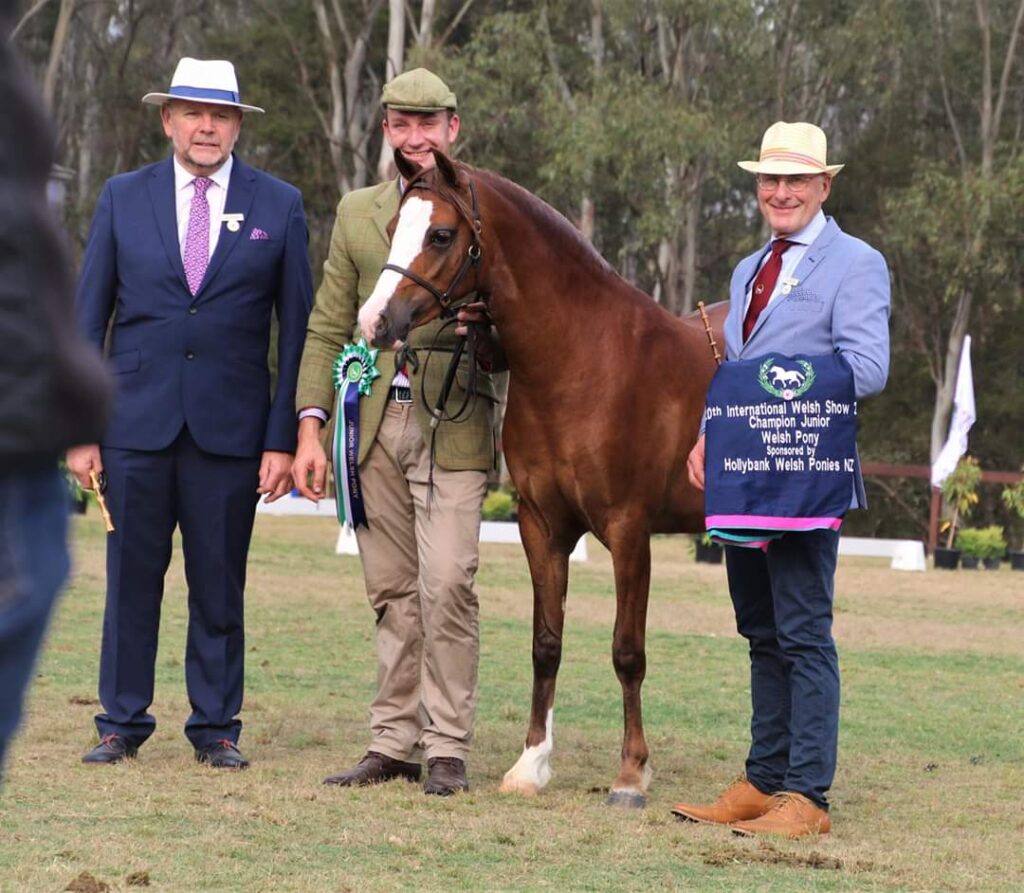
Beekman goes on to say: “Keyi Condoleezza, the Section B youngstock champion and later also the reserve supreme overall youngstock champion, is, incidentally, a daughter of Waxwing Peru. Peru is a full brother to the stallion Waxwing Perrin, who was approved by the NWPCS in 2018.”
“The overall quality at this show was very high,” says Beekman. “There were many major classes in which there were beautiful ponies both at the front and at the back of the field—ponies that would compete well in the Netherlands and might even be hard to beat.”
‘People really love to show off.’
“The geldings were also very well represented here. The people there really enjoy showing them. I noticed more enthusiasm for this than in the Netherlands.”
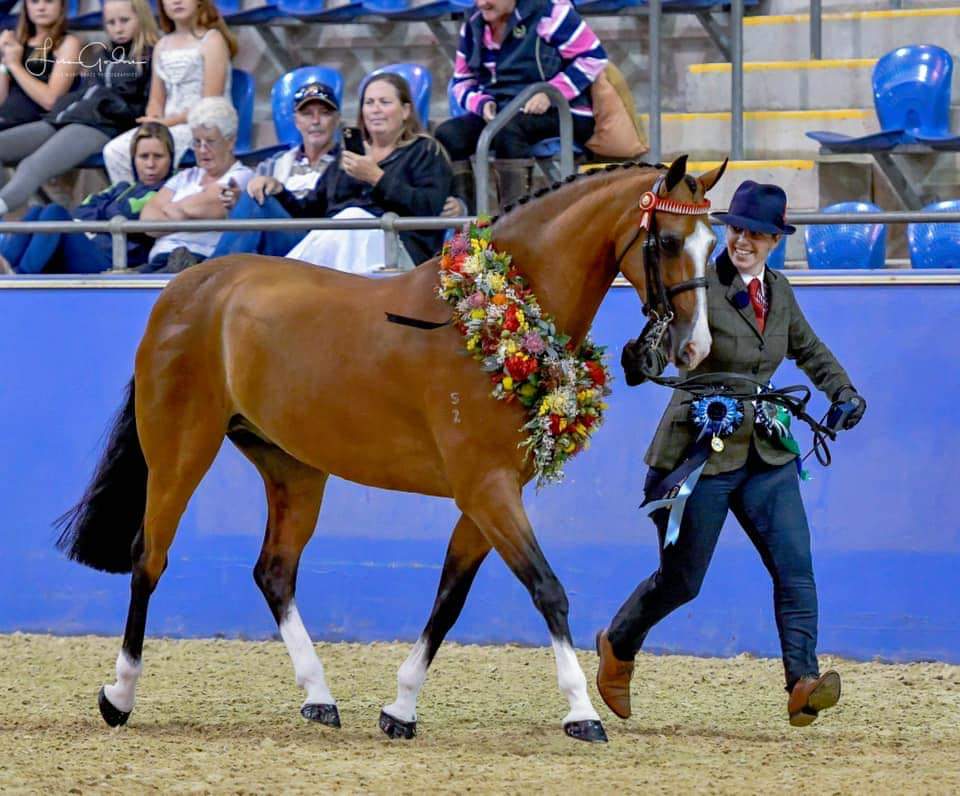
Cheraton Caesar was crowned Partbred Champion, as judged by Beekman. “A very beautiful, large Partbred. At first we thought he had Welsh Cob blood, but that turned out not to be the case. He is, however, a beautiful hunter-type with plenty of Welsh flair and very fine, supple gaits. During the inspection, you really know nothing; you don’t have a handbook, you don’t know the people, and you don’t know the horses. It later turned out that this Partbred was already a multiple champion under saddle. And, incidentally, he also won under saddle at this inspection.”
Many and large sections
The show had around 500 entries. “Lots of categories, and they were big,” says Beekman. “People went home with lots of ribbons. Some entered a single pony in as many as three or four categories: in-hand inspection, leading rein, under saddle with an older child, … There were also many small breeding groups. Then they’d find out that there was another offspring of a certain sire around, so the owners would put their heads together and enter a breeding group for that stallion.”
‘Young people Down Under are heavily involved in the inspections.’
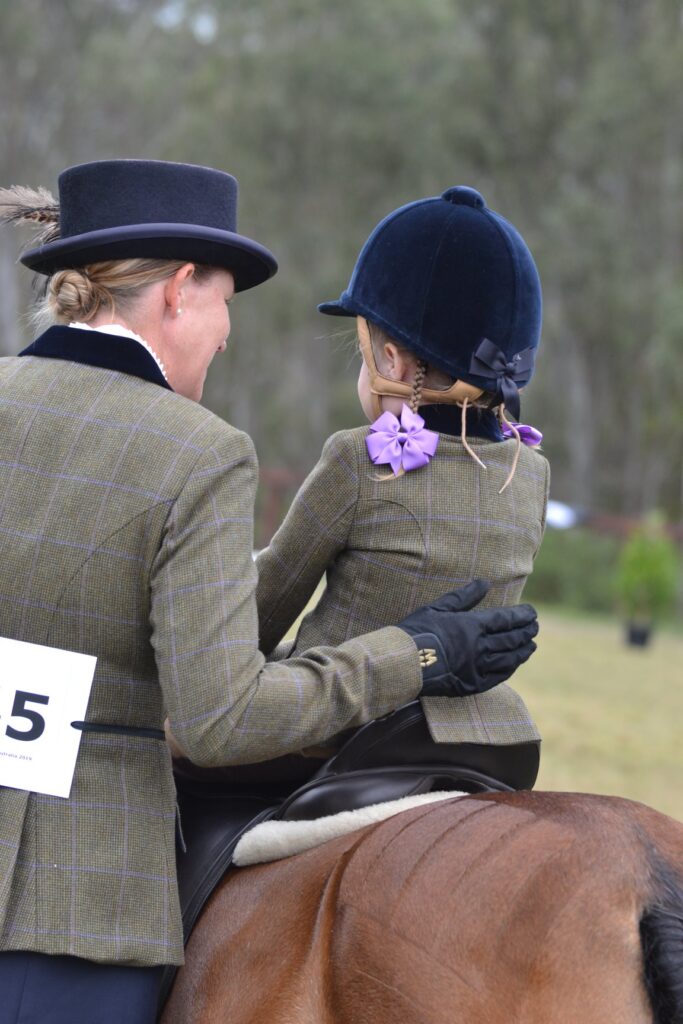
“I was blown away by the leading rein. I saw whole rows of children in riding jackets, accompanied by a mother in a suit made of the same fabric and a breastplate with a rosette in the same color. And there were so many details, like little red bows everywhere. Back home, you see two or three leading rein pairs, and at the CK maybe five or six, but here there were about twenty. Down Under, young people are heavily involved in the inspections. Back home, we think that takes too long, but over there, they just do it.”
Championship Inspection in the Dark
Beekman continues: “We started judging at 8 a.m., and after just a few categories, they came to tell us we were already an hour and a half behind schedule. And that was even though we were judging and placing entries at a brisk pace. It’s summer there now, but it was already getting dark when we started the championship judging. Someone even pulled up in a car to shine the headlights on the ring. I joked that at this rate, we’d only be able to crown the gray horses as champions. But there’s a large indoor arena there, and that’s where the champions were ultimately chosen. We were done by 9:30. Over the course of the entire day, I’d had only 15 to 20 minutes of break time. But the adrenaline kept me on my feet.’
‘We Have a Champion’
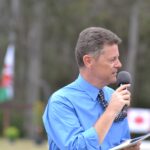
On the second day of the show, Beekman was able to join Gerrit van Beek and watch the show from the sidelines. “I did try to keep track of the results, but you might as well forget about that there. The show was a wonderful experience, and announcer Rob Jones ran from one ring to the next to announce the results… ‘We have a champion!’, but when it comes to organization, they could still learn a thing or two from the Netherlands.”
To be continued …
Part 2: Australia – Visits to Horse Farms and the Victorian All Welsh Show
Part 3: New Zealand – Stud Farm Visits and the Great Lakes All Welsh Club
About Ad Beekman
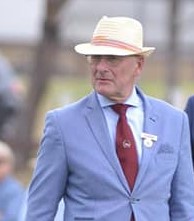
Ad Beekman was born on November 25, 1950, and thus celebrated his 69th birthday in Australia. Welsh ponies came into his life when he started driving a Welsh A four-in-hand. “So I got started because I just love driving. My wife at the time, Yvonne, believed that the ponies had to perform well at the inspection—in other words, be good representatives of the breed. So we started breeding Section A ponies at the Lintelo stud farm. However, at a certain point, they were having trouble meeting the walking requirements, so we switched to Section B ponies.”
I rode four-horse races for ten years and then judged for the studbook for ten years. Then I started riding slip hunts. I thought I would do that for ten years too, but now I have been doing it for eighteen years and soon I will ride my four hundredth slip hunt. Last year I also started again as a judge at the NWPCS. Breeding has been on the back burner for various reasons over the last fifteen years. But I kept the stallion Lintelo Gawain and now I am breeding again.
‘Tip: Test the pony you want to breed with for practicality.’
One rule of thumb of mine in breeding is that a pony must be usable. So my tip is: test a pony for usability. That should be the starting point. So don't think ‘I'm just going to breed with that’ if a pony turns out not to be usable.”
Exclusive to NWPCS.com
 Nederlands
 English
 Español
 Deutsch
 Français