
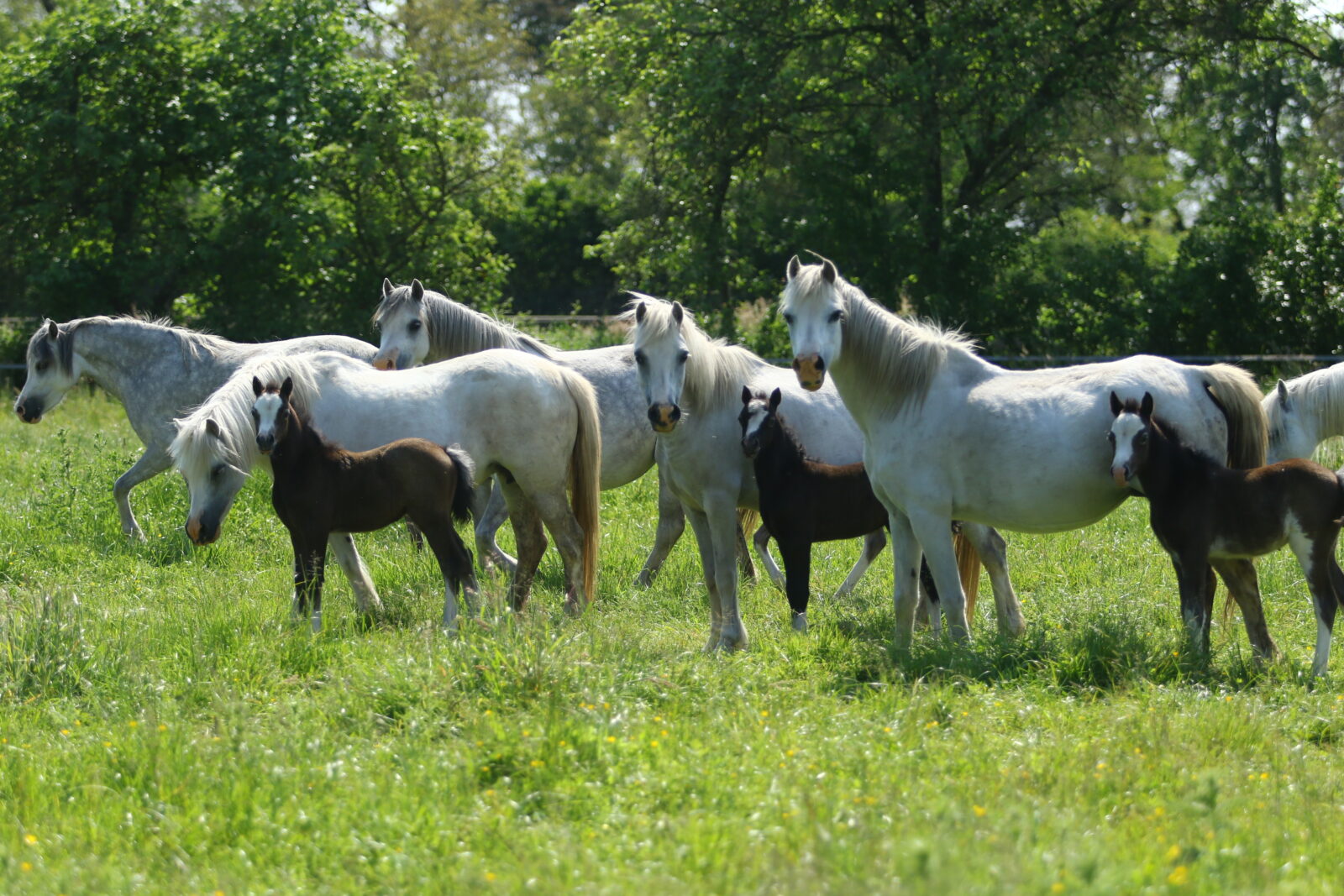
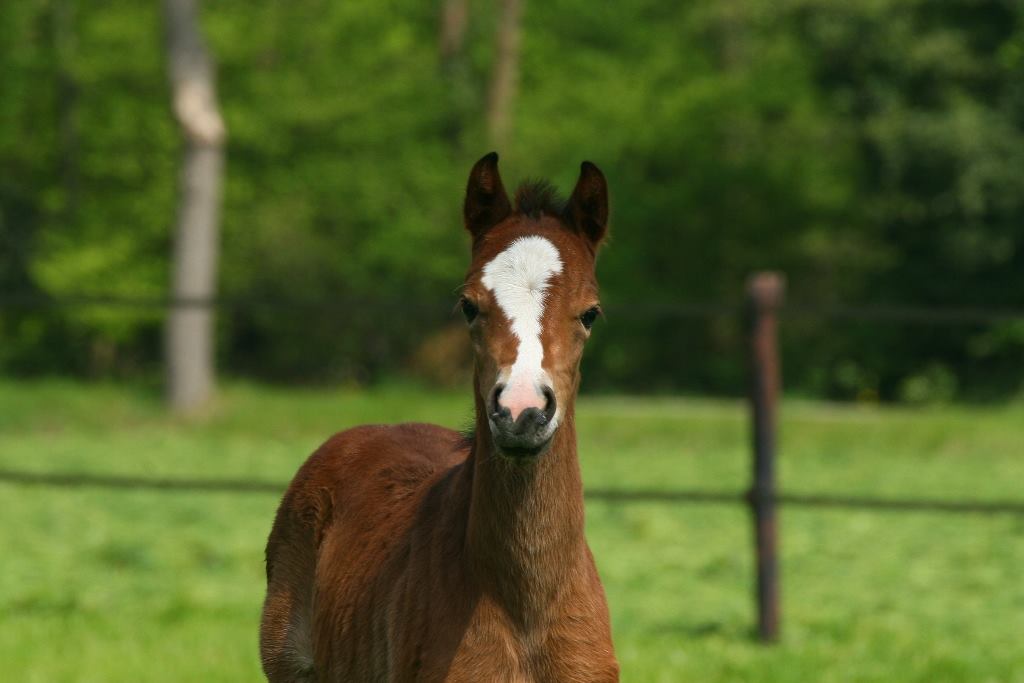
welsh foal
Breeding Welsh ponies is a beautiful, but also an exciting time for breeders, especially during foaling season. It is always a beautiful sight to see a healthy foal walking alongside its mother. Unfortunately, sometimes complications can occur during delivery, including what is known as a red bag delivery. In this article, we explain what this means and what the breeder can do in such a situation.
As a breeder of ponies, it is important to be aware of all the possible complications that can occur during the birth of a foal. One of the serious complications that can occur during labor is a red bag delivery, also known as a ‘red bag’ delivery.
What is a red bag delivery?
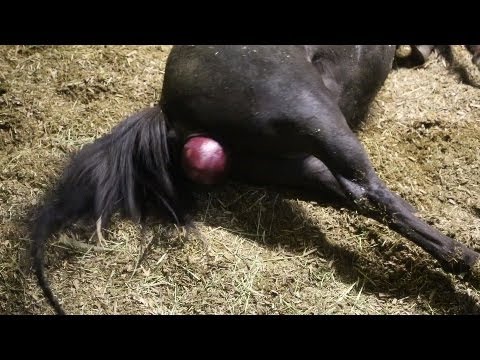
A red bag delivery is a complication that occurs when the fetus in the womb has an insufficient blood supply. Normally, the membranes break and the foal comes into the world with the amniotic fluid. In a red bag delivery, the foal comes into the world with the placenta still around it like a red bag. This can lead to oxygen deprivation and other complications for the foal.
What to do in the event of a red bag delivery?
If a breeder suspects that a foal will be born via a red bag delivery, he must act quickly. The first thing he must do is call the veterinarian to inform him of the situation.
He must then open the bag as quickly as possible without damaging the foal. If the foal is still in the bag, the breeder should open the bag and remove the foal from the bag as quickly as possible. Therefore, always have a sharp, sterile knife in the first aid kit.
If the foal is not breathing, the breeder can stimulate it by rubbing the foal dry and shaking it. If necessary, the breeder can also give the foal mouth-to-mouth ventilation. It is important to act as quickly as possible to minimize the lack of oxygen to reduce the risk of complications.
Prevention
A red bag delivery cannot always be prevented, but there are some precautions a breeder can take to reduce the risk of this complication. It is important to monitor the mare's pregnancy regularly and watch for signs of problems, such as abnormal vaginal discharge or vaginal bleeding.
In addition, it is important to ensure that the mare receives adequate nutrients to support the growth and development of the foal.
Source: Welsh Studbook
 Nederlands
 English
 Español
 Deutsch
 Français