
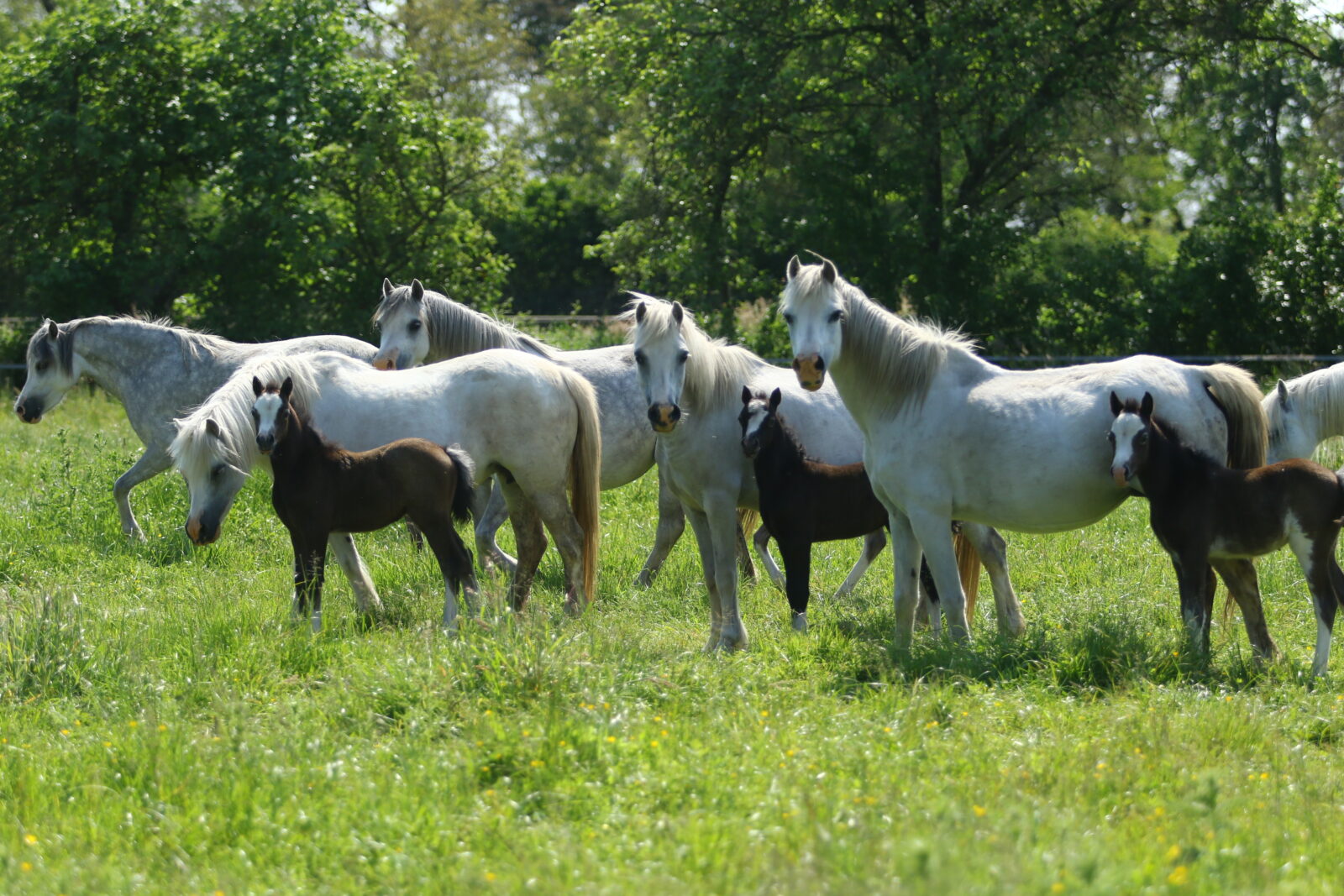
Chipping and sketching the foals at Corona time

girths
Identification and Registration (I&R) of horses and ponies is a European obligation. Equidae (horses, ponies and donkeys) must have a transponder (chip) inserted into the neck and be provided with a horse passport. From I&R regulations, it is established that a foal must be identified from 6 weeks of age and before reaching the age of 6 months, i.e. be provided with a transponder and a horse passport.
In addition to the insertion of a transponder, a foal must also be sketched. This involves recording all of the foal's markings. The number of the transponder and the markings are recorded in the horse's passport so that authorities such as the NVWA can determine the correct identity of each equine.
As part of the studbooks' I&R obligation, the horse passport consultant inserts a transponder into the neck of all foals and documents all characteristics. They do this on location with the keepers and this is done by appointment. As soon as the foal leaves the keeper's yard without the mother, it must have an equine passport. Before that, the animal may not be transported.
During corona:
Since the ‘lock down period’ was instituted by the government, horse passport consultants had to stay home and foals could not be provided with a horse passport and chip. In line with the easing measures in place from May 11, 2020, chipping and sketching will be allowed to resume under strict conditions (protocol).
Register your foals on time:
From the Koepel Fokkerij a protocol has been drawn up for the horse and pony studbooks in the Netherlands for both the Passport Consultant and the Holder of the animal concerned. All NWPCS members and therefore holders will receive this protocol via this letter, so that the holder knows what is expected of him. Also, this letter and associated protocols can be found on social media and the studbook website. It is in everyone's interest that prior to actually entering the yard in question, the necessary health questions are asked of the person assisting in the chipping process. Also, do not wait too long to register your foals so that the passport consultant can schedule you in a timely manner. Even if you are expecting several more foals, please indicate this to the passport consultant so that he only has to visit you once.
Protocol for the keeper of the foal:
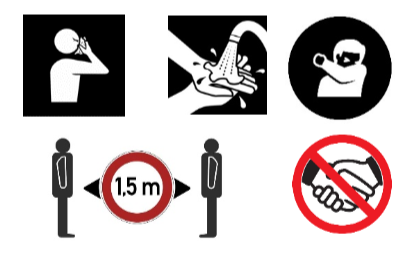
- Reschedule the appointment in case of cold symptoms such as:
a. Nasal colds,
b. Runny nose,
c. Sneezing,
d. Sore throat,
e. Coughing,
f. Shortness of breath complaints,
g. Elevation up to 38 degrees or fever. - Reschedule the appointment if someone in your household or stable is showing cold symptoms (for symptoms, see point 1).
- Preferably, do not wean the foal from the mare until the foal is chipped and sketched.
- Make sure mare and foal are in the barn at the appointed time and both have a halter on. If this is not in order, the passport consultant will leave your yard immediately. You will then need to make another appointment. Additional fees will be charged.
- Wash your hands just before the passport consultant comes to your yard.
- Do not shake hands with the passport consultant.
- Keep 1.5 meters away from the passport consultant.
- Show the passport consultant the way to the stall where the mare and foal are standing, making sure there is a wide passageway.
- Help the passport consultant hold the foal while inserting the transponder. While doing so, keep as much distance as possible.
- The passport consultant will try to keep the visit as short as possible. Therefore, please do not offer consumption.
- Verify verbally that the passport consultant has noted the information correctly.
- If applicable, cough and sneeze into your elbow and use paper tissues.
 Nederlands
 English
 Español
 Deutsch
 Français