
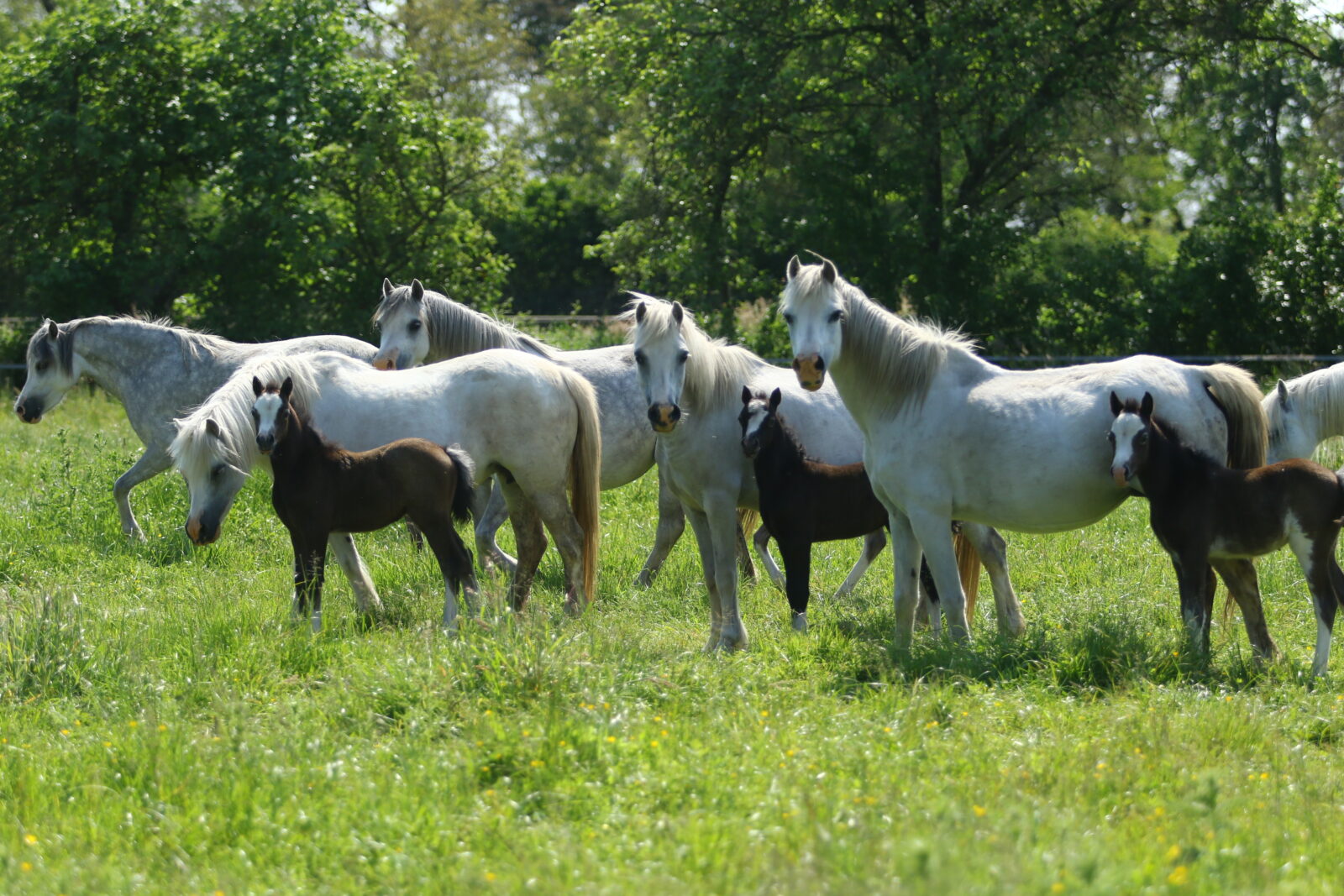

ponies in the winter
Osteoarthritis can be a year-round problem for horses and ponies. Researchers from Britain's Animal Health Trust found that there is no so-called ‘safe season’ in which the chances of developing laminitis are limited. Therefore, the scientists also warn about laminitis in winter.
Owners are advised to remain vigilant even when the riskiest season (spring) has passed. The study shows that one in ten horses or ponies each year suffers from the recurring symptoms associated with the syndrome of laminitis. With that, this disease is as common as colic.
Recognizing omens
The researchers alert horse owners to the importance of recognizing the early signs of laminitis. As a result, a potentially fatal outcome can be prevented.
Interestingly, most horses diagnosed with laminitis suffered from less characteristic symptoms ‘out of season. In particular, these cases involved horses that were effort had with turning and last had Of an irregular or short/high gait.
However, less than a quarter of cases were diagnosed with the ‘classic symptoms,’ such as the typical attitude in which the horse places the hind legs well below the body and extends its forelegs forward. But also the presence of a thickened and painful crown rim in combination with warm hooves.
In addition, the survey showed that most owners have the ‘beating of the blood vessels in the lower hoof’ have not recognized. This is a striking observation because this phenomenon is a classic feature of laminitis.
Worry
Also worrisome was the finding showing that only half of all reported cases were confirmed with a veterinary diagnosis. Consequently, many animals with laminitis did not initially receive veterinary attention.
Researchers advise horse owners to alert their veterinarian at the time of suspicion. When subtle clinical signs appear, serious damage in the hoof has often already begun. The earlier a veterinarian can treat a case of disease, the greater the chance of limiting the damage.
Winter laminitis
Due to the cold weather, ‘winter laminitis’ is currently more common, warns Veterinary Park Practice Oude Tonge. The cold causes the blood vessels in the hoof to contract strongly to maintain heat in the body.
“In horses that already have damage from previous laminitis or have an underlying condition such as PPID (Cushing's disease) or are insulin resistant, the blood vessels may remain hugely contracted, causing pain in the feet,” the practice reports on its Facebook page.
Preventing Osteoporosis
There are a number of things horse owners can do themselves to prevent laminitis or reduce its effects. First, it is important the horse well warm at hold by blanketing him, putting him in the barn or even putting him in leg warmers.
In addition, it is important to good on nutrition at letten. Due to the cold weather, the grass contains a lot of fructan, which is conducive to the development of laminitis.
Source: Horsetalk & DAP Oude-Tonge, Wurft & Ouddorp
 Nederlands
 English
 Español
 Deutsch
 Français