
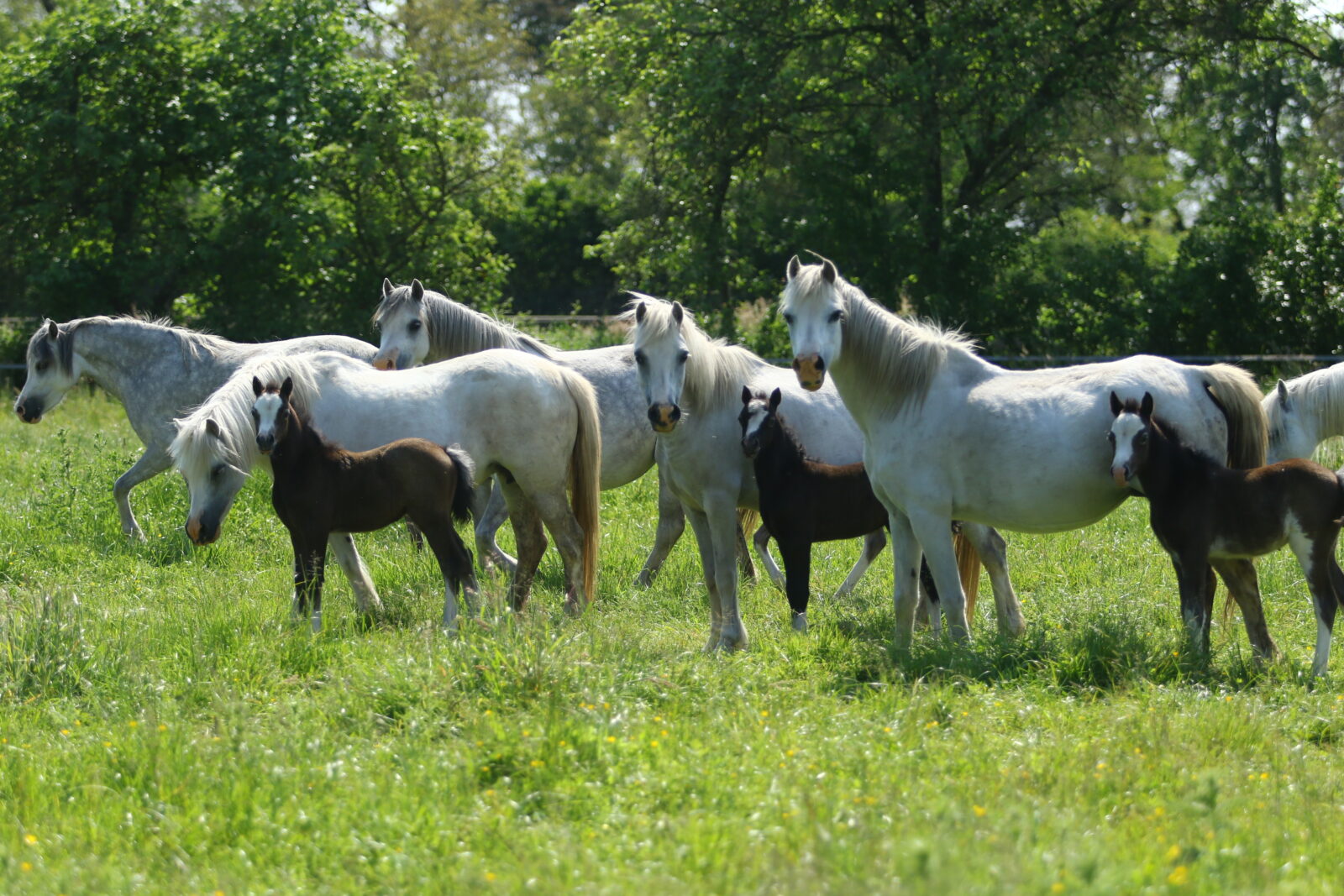
CHK 2025: In conversation with the jury, what do they want to see.
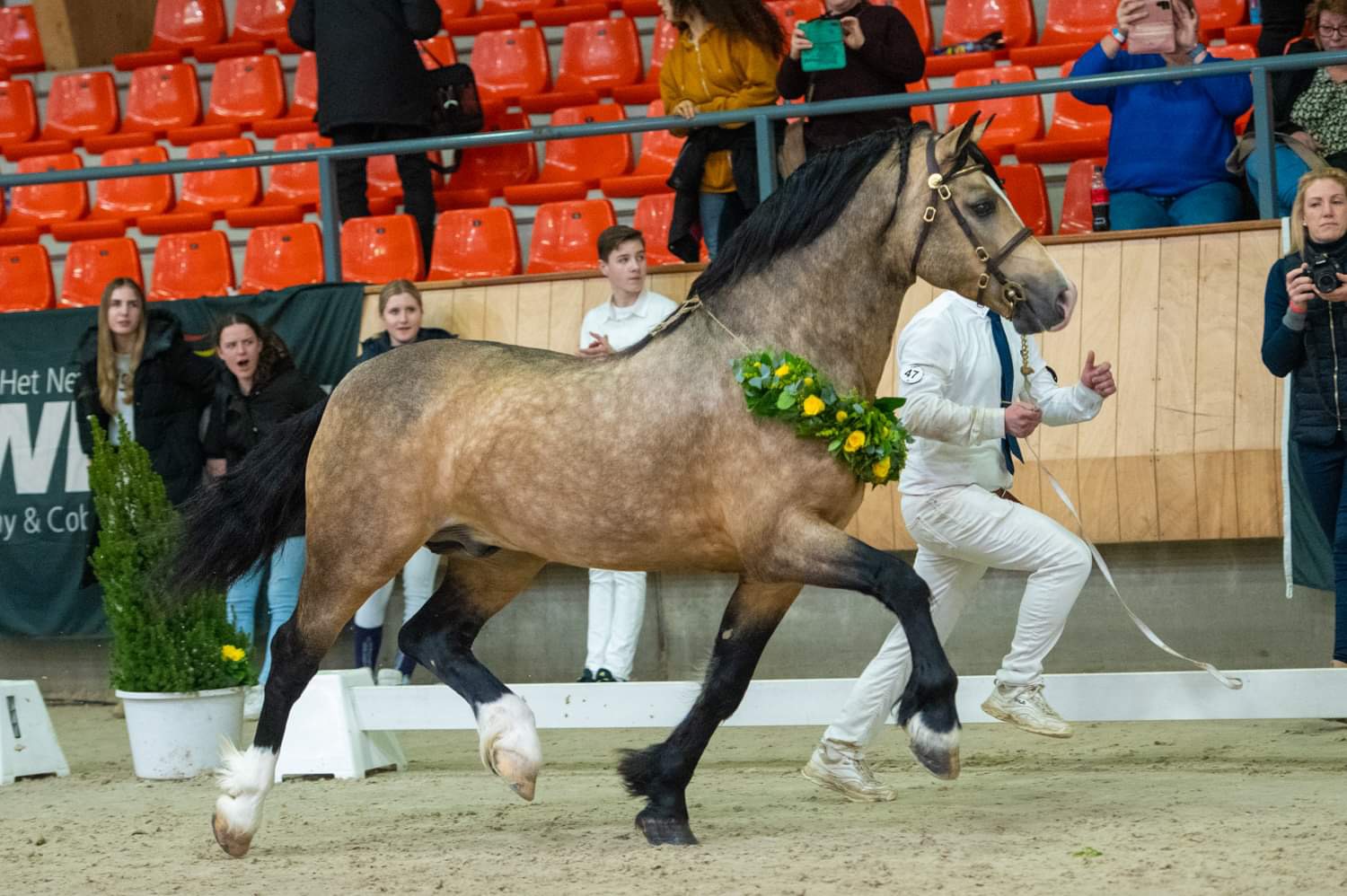
Fjordglimt Golden Dean Photo: Vivian Hesen
Together with Trudi Houwen, jury president, we look ahead to the NWR and WPBR ponies. We also look ahead to the Welsh sections A, B, C and D with Berry Bakker, vice president of the breed.
Trudi Houwen speaking: “Focus on breeding the future sport pony”
In breeding NWR and the WPBR, the primary emphasis is on creating a future sport pony with strong athletic ability and excellent character. Within the NWR (Dutch Welsh Riding Pony), this includes consideration of the kinship percentage. This is an important consideration, especially given the limited number of animals entered, which adds to the challenge.
For both the NWR and the WPBR (Welsh Part Bred), we focus on the needs of the sport. A sport pony must be athletic, walk in balance and above all have a fine character: a pony that wants to work for the rider. Character is an important aspect and is not only assessed during the performance test, but can already be partly estimated by the behavior of the pony on the string.
Character
It is natural for young ponies to react to stressful situations, such as those during inspections or examinations. The important thing, however, is how they handle that stress. Flight animals will sometimes want to up in oppressive situations, but as long as they regain their composure afterward in a fair manner and do not overreact to trainer or work, they show potential as reliable sport ponies.
It is essential to realize that such an entourage cannot be fully trained at home. It is a unique experience that demands a lot from young ponies. Therefore, it is important to keep the positive points of a pony in view. Pay attention to good passes and judge based on what the pony can offer, not just on what might go wrong for a moment at that moment.
Self Posture and Movement
A good sport pony should be balanced and have a natural self-carriage. This does not simply mean that the head is carried up, but that the entire topline and movement show that the pony is carrying itself. Natural carrying is a sign of quality and potential.
The Father Animal
A sire may easily be a little larger in height, as long as it meets the characteristics of a true pony and provides balance and quality in breeding. Because the height of ponies can vary depending on location and conditions during measurement, performance stallions are always re-measured in a quiet environment.
Positivity for the Future
Judging young ponies requires a keen eye, but most importantly, a positive attitude. It is important to keep seeing the potential and focus on the strengths. With a good eye for character, movement and balance, we build a future full of sport ponies that excel at the highest level.
Berry Bakker speaking: “A selection will have to be made from all the stallions submitted that we must not forget”
Within NWR breeding there is already much emphasis on blood distribution. This is becoming increasingly important in the other sections as well. Especially in the C and D sections, where breeding is small and the Brexit makes import of new blood more difficult, genetic diversity is becoming a greater challenge. Advice on interesting stallions from the FTC will be included in the final choices.
Breeders' nights
During recent breeders' evenings, it was evident that within all sections there should be more emphasis on the typical Welsh appearance. A pony must be immediately recognizable as Welsh. For the A and B sections, this means that breed appearance, width and depth have absolute priority.
In the C and D sections, we are looking for massive stallions with above average movements. Movements should be powerful, supple and spacious.
In addition to these qualities, it is important to clearly select for desired breed traits in these sections as well.
Correctness
Correctness in foundation remains an important issue. Even minor discrepancies can affect the durability and employability of a pony. An approved stallion must be completely correct in foundation. This is what the breeder should expect from us.
Judging character remains tricky, but through close cooperation within the judging team and with the veterinarian, this aspect is being taken into account more and more. During the Friday evening meeting, all stallions are assessed extensively, with the veterinarian providing valuable input on their character.
Collaboration
This year, the entire judging team is on a hard surface to work more efficiently and refine judgments. It is essential that stallions show width, depth and development appropriate to their age and have the look of a true sire.
Sharing information
The judges' breeding advice, available in the magazine and online after the stallion inspections, provides valuable insights for breeders. We hope these opinions contribute to making strong breeding choices. In addition, owners can always request a jury report after the inspection for the unapproved stallions.
Read all about the CHK 2025 here Nederlands
 English
 Español
 Deutsch
 Français