
What is atypical myopathy and how do you prevent/treat it?

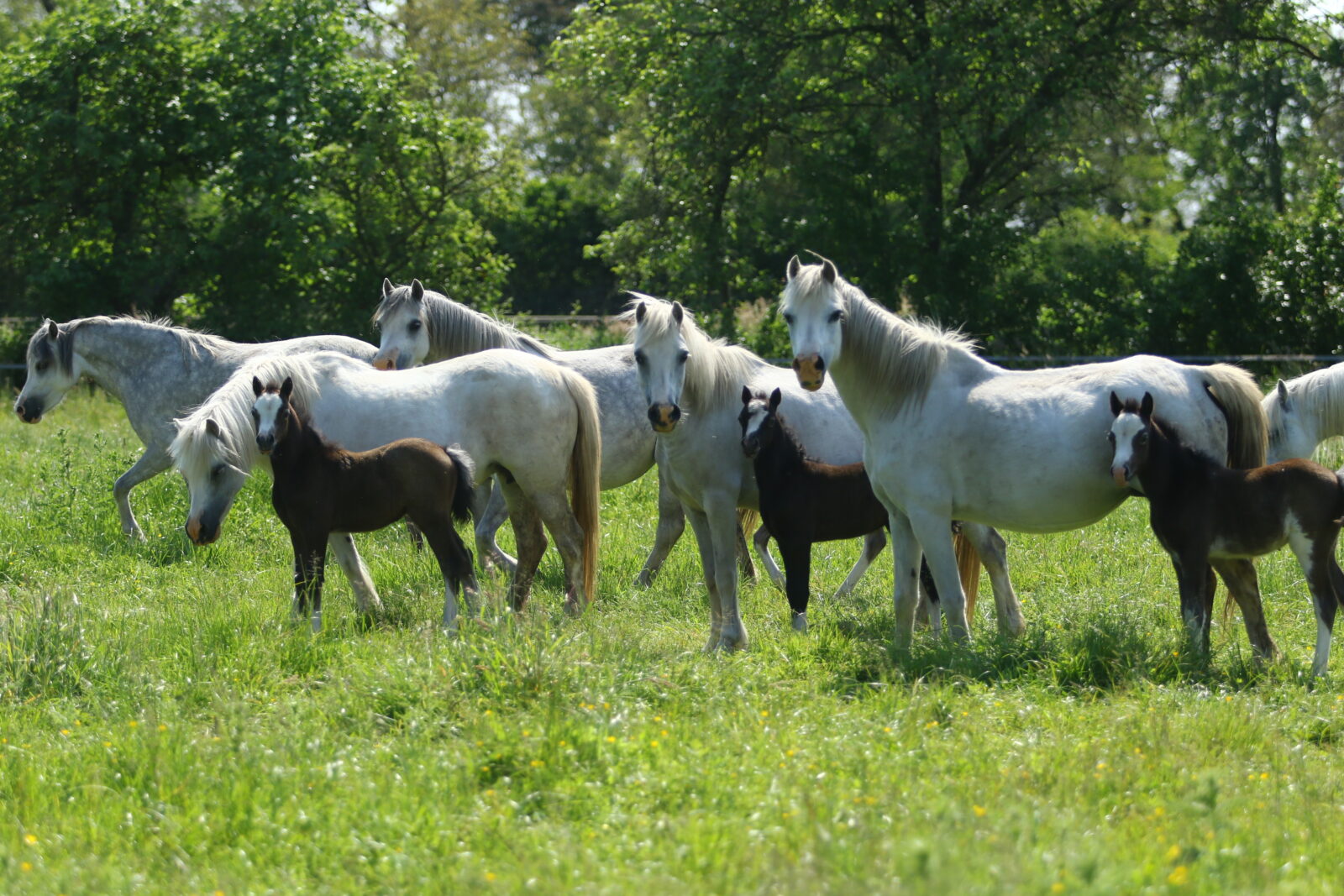
Mares with foals
The International Atypical Myopathy Research Group warns that the number of cases of atypical myopathy caused by germinating maple seeds (seedlings) has been rising in recent days. The GD reported this on its website last week.
Prevent ponies from getting near maple leaves and seeds
By eating germinating maple seeds (seedlings), ponies can contract poisoning and develop atypical myopathy (AM). Avoid therefore That ponies eat these seedlings. You can do this by checking the pasture, before the ponies enter the pasture, for the presence of the seed germination. If so, you can remove the germinating seeds destroy them by mowing or burning them.
Severe muscle disease
AM is a serious muscle disease. Ponies affected by it move hard, stand cramped or lie flat and sometimes they are stuffy. Also, their urine dark discolored are. Ponies with AM show highly elevated muscle levels (CPK, ASAT and LDH) in the blood. If a pony develops symptoms, it is important to rest the animal (i.e., not transport it), determine the severity of the condition and promptly initiate treatment. This treatment includes analgesics, infusion and administration of carnitine, vitamin E and vitamin B2.
The disease is not common, but has almost always a fatality and quite often affects several animals in a flock. The condition is most commonly diagnosed in ponies kept in more sparse pastures and therein not supplemented get, making them more likely to eat the less palatable maple seeds, for example, anyway. It has now been shown that ingestion of hypoglycine A, which can be found in maple seeds (the helicases), maple leaves and maple seedlings (sprouts), can lead to AM.
Therefore, if ponies are walking on a pasture surrounded by maple trees, the best measure is to use a temporary fencing to cordon off the high-risk areas, the ponies supplemental Or even to orphan or store.
Additional tips
- Limit the time the pony spends in the pasture (most clinical cases were in the pasture longer than 6 hours/day) and possibly feed the ponies before they go out to pasture.
- Apply pasture rotation so that ponies are only on pastures with sufficient grass.
- Remove seedlings as early as possible by mowing or burning. Avoid toxins due to environmental protection. Note; the ponies cannot be left in the pasture at this time because even the hayed seedlings may contain toxins. It is recommended to wait until the seedlings have fully decomposed and the grass has grown sufficiently.
- Remove the surrounding maples if necessary to avoid them producing flowers and seeds that end up on the pasture.
Read more about the Maple tree
Source: Animal Health Service
 Nederlands
 English
 Español
 Deutsch
 Français