
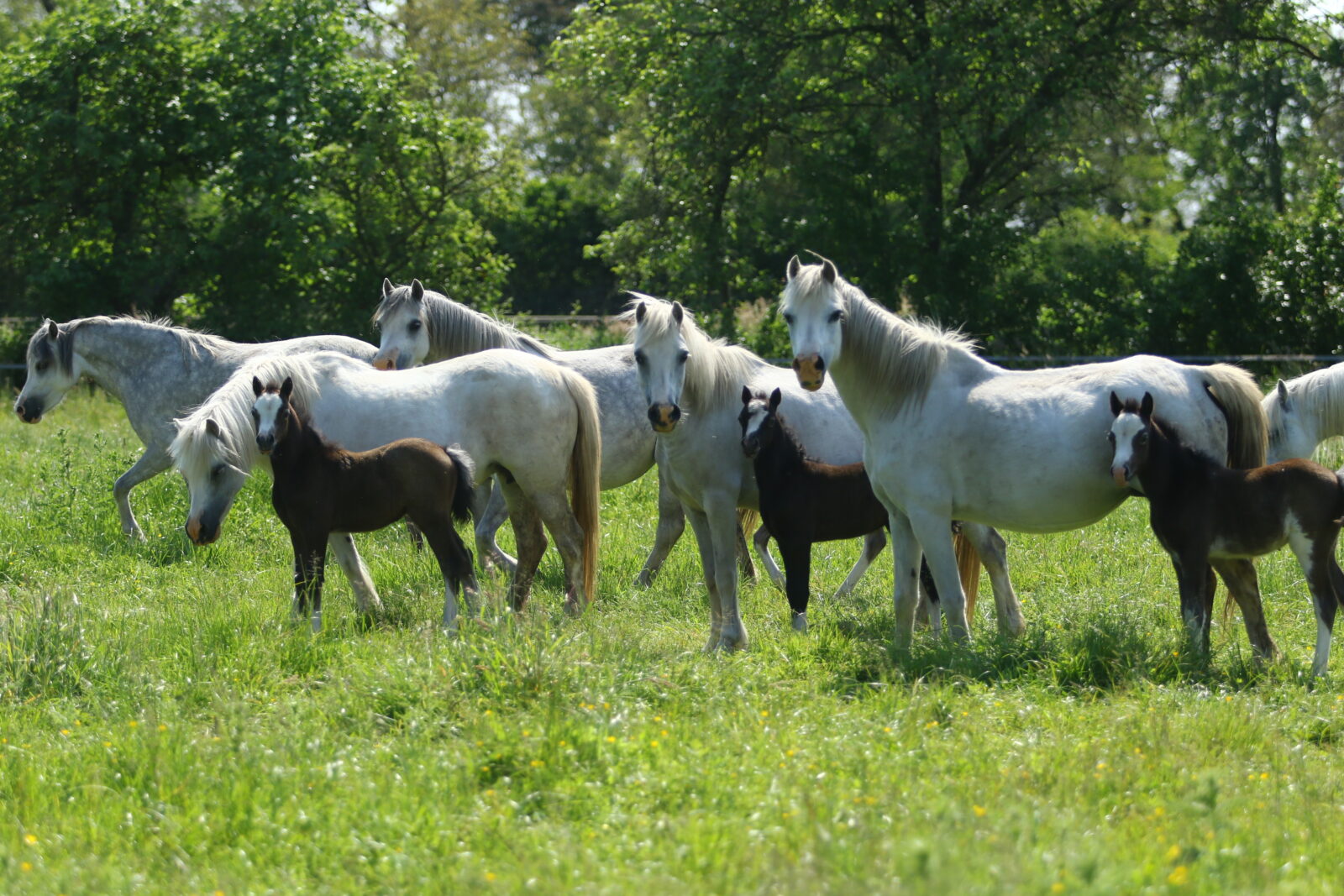
Proper vaccination is an important measure against the flu

Equine influenza was prevalent at a number of stables in the Netherlands during the final months of last year. Although it wasn’t just unvaccinated horses that showed symptoms of the disease, proper vaccination is the most important preventive measure.
Even horses that have been properly vaccinated sometimes get sick because the virus strain circulating is slightly different from the strains contained in the vaccines. However, in a properly vaccinated horse, the disease will generally be less severe than in an unvaccinated horse.
If an infection is present on a horse farm, the sick horses must be isolated as soon as possible and kept isolated for at least 14 days after the clinical symptoms have disappeared. The virus is not particularly strong, and thorough cleaning followed by disinfection with a registered disinfectant will usually kill all viral particles. Keep in mind that disinfection alone is ineffective, because disinfectants only work if all dirt has been removed first.
The Rules for Vaccination
Welsh ponies and cobs participating in the NWPCS stallion inspection must be vaccinated against influenza and tetanus (including the primary vaccination) in a timely manner. According to the rules, these vaccinations must be recorded in the passport of the pony or cob in question.
Vaccination rules differ somewhat at the national level compared to the international level. This is due to infection rates and costs. Nationally, infection rates were generally somewhat lower, which is why the KNHS deemed it sufficient to vaccinate once a year with a basic vaccination consisting of one injection. Now, based on reports from the field, it appears that animals vaccinated more than 6 months ago are experiencing more problems than animals that have been vaccinated in full compliance with FEI rules.
The various influenza vaccines (several brands are registered in the Netherlands) often have their own slightly different recommendations and slightly different compositions. For this reason, equestrian organizations have established rules that apply to every horse and pony.
For the KNHS, the rules are as follows:
*Routine vaccinations starting at 5 months of age
The basic vaccination series consists of two doses, with at least 21 days and no more than 91 days between the two injections (even though all manufacturers recommend a third dose within 6 months of the second—see FEI rules for basic vaccination)
*annual booster shot
The horse must then be vaccinated every year; this can be done on the same day as the previous year, but not even one day later. There is always a lot of debate about this, but it is permitted to do so annually on a fixed date.
*never within 7 days of a match
The horse must not have been vaccinated within the last 6 days before a competition.
*take careful notes*
All vaccinations must be recorded in the horse passport by the veterinarian on the correct date, with a stamp and signature.
For the FEI, the vaccination schedule is more comprehensive:
*The primary vaccination series consists of 2 doses, with at least 21 days and no more than 91 days between the two doses, and a third dose must be administered within 6 months plus 21 days
*The horse must then be vaccinated again annually within 365 days; this can be done on the same day as the previous year, but not even one day later (there is a lot of debate about this, but it is permitted to do so annually on a fixed date)
*If the horse competes in FEI events, it must be vaccinated twice a year, and there must be no more than 6 months and 21 days between vaccinations
*The horse must therefore have received its last vaccination within 6 months and 21 days before the competition, and the horse must never have been vaccinated within the 7 days prior to arriving at the competition venue
*All vaccinations must be recorded in the horse passport by the veterinarian on the correct date, with a stamp and signature, and preferably also with the vaccine sticker (the absence of the sticker is not a reason to refuse recognition of the vaccination internationally, but it is in the Netherlands).
Want to read more? Click here for the full document ‘Influenza in the Netherlands – Overview’
Source:
Prof. Dr. Marianne Sloet van Oldruitenborgh-Oosterbaan – Faculty of Veterinary Medicine, Utrecht
Dr. Kees van Maanen – Animal Health Service in Deventer
 Nederlands
 English
 Español
 Deutsch
 Français